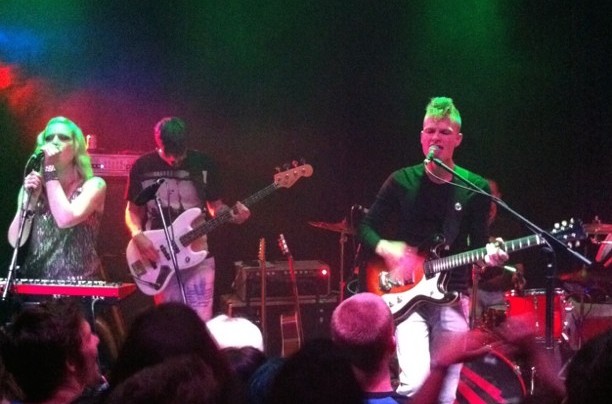
Rickshaw Stop began with a Halloween party. Christopher White and Waldo Williams found a disused television soundstage on Fell Street in 2003; live bands followed in 2004. Dance parties were part of the venue’s purpose before it had a list of musicians who went on to play larger rooms.
The former studio supplies high ceilings, a mezzanine and giant red curtains, with vintage rickshaws in the interior. A live bill and a club night can use the same room without needing the same audience. The building’s change from television production to nightlife has left it with a recognisable set of physical features.
Jody Amable’s KQED feature for the venue’s twentieth anniversary traces that overlap through founder White and longtime talent buyer Dan Strachota. Its 2024 anniversary programme brought back local and formerly local acts including Pardoner, Fake Fruit, French Cassettes and Geographer. Those names tell a different story from the internationally famous alumni: a venue becoming part of musicians’ working lives over years.
And yes, the alumni are absurdly good. Billie Eilish, Japanese Breakfast, Courtney Barnett, Alvvays, K.Flay and Icona Pop all appear in Rickshaw Stop’s own archive. A small club that books somebody before the larger rooms come calling performs a fairly unforgiving kind of work. Most nights do not come with a future headline attached.
The anniversary programme gives the history something more useful than a list of early appearances by future stars. Pardoner, Fake Fruit, French Cassettes and Geographer are part of musicians returning to a room that has continued to book them. Recognising that work over time is less spectacular than claiming a famous first. It is also one of the things a local venue is there to do.